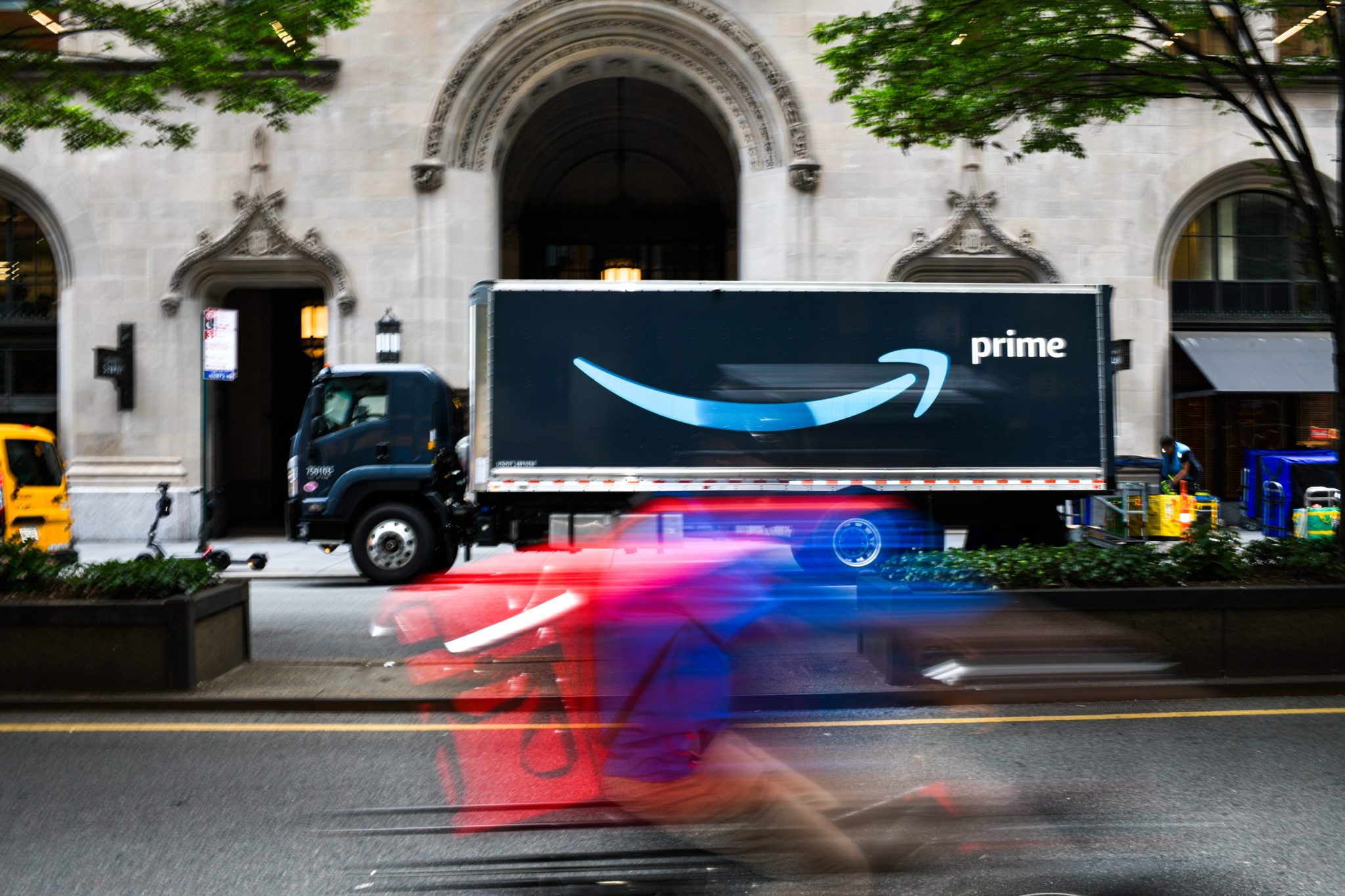
Amazon’s record Prime Day masks a darker truth: Americans are spending more and getting less
Americans are expected to spend a record $26.3 billion during Amazon’s four-day Prime Day sale — and almost none of it feels celebratory. The summer of “butter yellow,” the shade of consumer anxiety, comes with an earlier-than-ever flagship event for the Fortune 1 company, which says a lot about spending in fear. This year’s event, which kicked off Tuesday and runs through Friday, is on pace to eclipse Black Friday and Cyber Monday combined. But beneath the record-breaking headline is a set of numbers that tells a quieter, more unsettling story about the state of the American consumer in the summer of 2026. The average Prime Day order this year is $48.36 — down from $58.37 at the same point last year. That’s roughly a 17% drop per transaction — meaning more people are buying, but each is stretching further to do so. The year-over-year trend is consistent: the average Prime Day order fell about 8% between 2024 and 2025, even as total spending climbed. This year’s event, which kicked off Tuesday and runs through Friday, is on pace to eclipse Black Friday and Cyber Monday combined. But beneath the record-breaking headline is a set of numbers that tells a quieter, more unsettling story about the state of the American consumer in the summer of 2026. Prime Day’s timing and economic pressure But the macro context is unmistakable. In 2025, sellers offered fewer discounts as Trump tariffs slammed their margins — and consumers bought anyway, sending sales up more than 30%. It was boosted not by electronics or fashion but by office supplies and books — categories driven by practical need. This is the third consecutive year Amazon has adjusted Prime Day’s timing in response to external economic pressure — moving it earlier, stretching it longer, and loading it with more urgency-driven messaging. What began as a made-up holiday to sell Prime memberships is being quietly reengineered into a preemptive consumer defense mechanism — th