El Niño is here—and it will ‘pour fuel on the fire of a warming world’
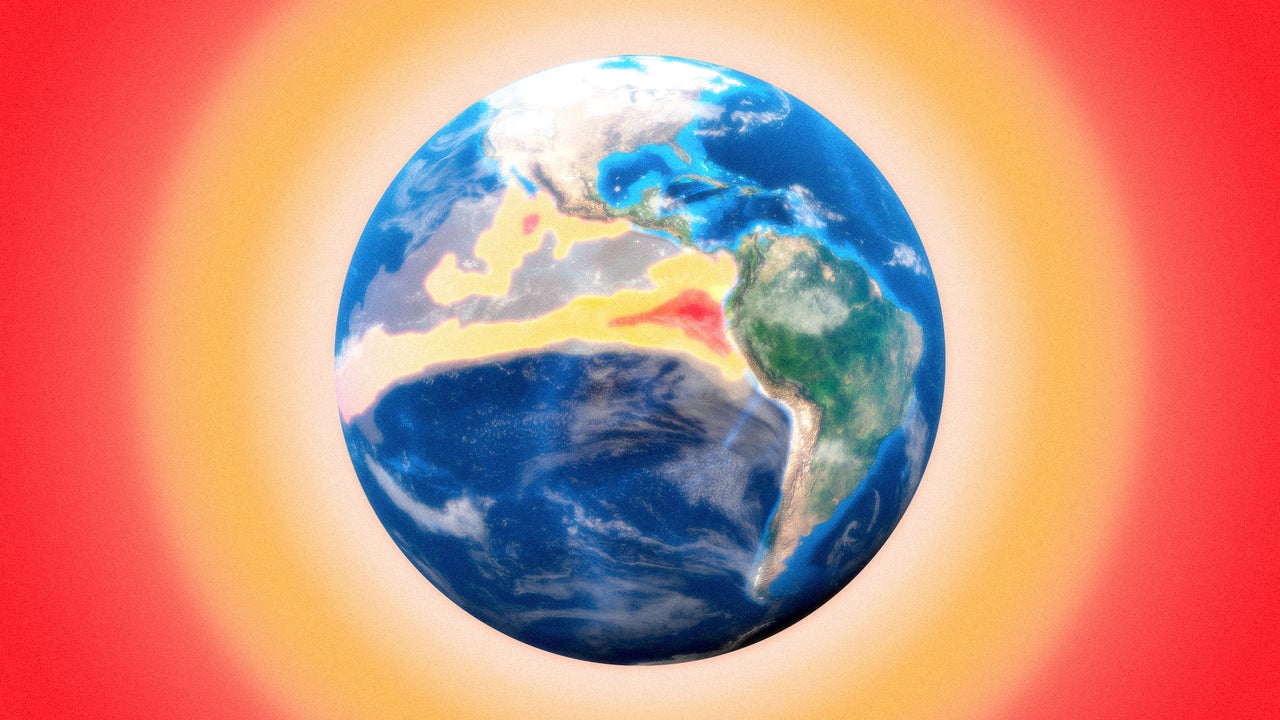
El Niño is officially here—and it could be one of the strongest in our National Oceanic and Atmospheric Administration’s historic record. With our oceans already warming from the burning of fossil fuels and human-caused climate change, El Niño adds even more heat. That means the climate pattern has the potential to amplify weather extremes like droughts, floods, and more damaging forest fires. It could also disrupt fishers and lead to crop loss in certain regions of the world. [Image: NOAA] Though some have dubbed this year’s climate pattern a “Super El Niño,” NOAA meteorologists don’t use that term. Instead, they classify El Niños as weak, moderate, strong, or very strong. “There is a 63% chance that we’re looking at a very strong El Niño during the November to January time period,” Ariel Cohen, a meteorologist at the National Weather Service’s Los Angeles office, said during a Thursday press conference. “That could rank among the largest El Nino events in the historical record, going back to 1950,” he added. What is El Niño, and what makes a ‘Super’ El Niño? El Niño is a climate phenomenon concerning above-average sea surface temperatures. Under normal conditions, warm waters over the equatorial Pacific get transported westward, and are followed by areas of cooler water. But during an El Niño, Cohen said, trade winds slacken, and that warm pool of water extends farther to the east. That causes the jet stream in our atmosphere to shift. Typically, this leads to wetter conditions across the Southern U.S., and drier than normal conditions farther north. But there is a lot of variability with El Niños, experts warn—and even with a “very strong” or Super El Niño, that doesn’t mean the same impact is expected everywhere. Instead, an El Niño “just significantly tilts the odds” toward certain weather events. [Image: NOAA] For an El Niño to officially form, temperatures in the equatorial Pacific Ocean must reach 0.5 degrees C above average for a few months in a