Why Modi’s strategy to isolate Pakistan backfired
Why this matters: local context for readers following news across Pakistan and the region.
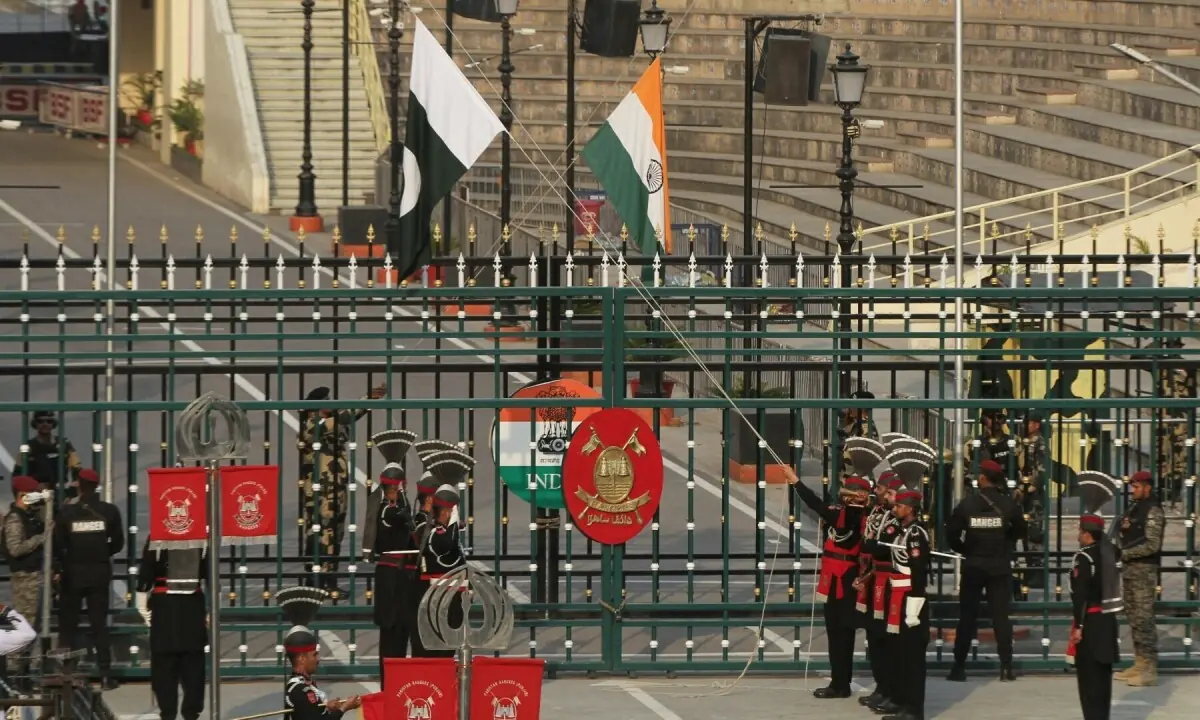
Speaking from the negotiation room at a Swiss resort, US Vice President JD Vance reflected on the complex realities of South Asian diplomacy. Referring to his Indian wife and Pakistan’s Chief of Defence Forces Field Marshal Syed Asim Munir, he remarked: “I have joked that I have two very, very important people in my life — an Indian and a Pakistani. The Indian is my wife, and the Pakistani is Field Marshal Munir.” Field Marshal Munir’s engagement with senior international figures, including his role alongside Prime Minister Shehbaz Sharif in welcoming foreign delegations to Islamabad, has become a visible feature of Pakistan’s expanding diplomatic role, from South Asia to the Middle East. This trajectory runs counter to India’s efforts to isolate Pakistan following the April 22, 2025 Pahalgam attack. New Delhi reportedly sent 59 politicians to 32 countries to shore up international support, yet Pakistan came out of the four-day war with its regional and international standing intact, and according to some assessments, even stronger. Pakistan’s geographic position, diplomatic networks and security relationships have ensured that Islamabad remains part of critical global conversations despite sustained pressure. New Delhi’s attempts not only failed diplomatically but also in the information battle as its spun narrative failed to gain traction. During the 2025 standoff, international reporting, and even an Indian naval officer, confirmed that India lost multiple aircraft. Pakistan used the outcome to reinforce its image as a capable actor, able to absorb pressure and impose costs on a larger adversary. To be sure, the information battle surrounding the crisis became almost as important as the military confrontation. Indian television and social media relentlessly peddled false claims. Karachi Port was supposedly destroyed, Lahore captured and Islamabad was collapsing with Pakistani leaders arrested or hiding. These claims were widely challenged and created the impressi