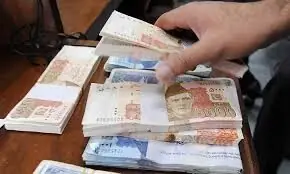
BUDGET 2026-27: Analysis: A budget to calm lenders or households?
Why this matters: local context for readers following news across Pakistan and the region.
While the government continues to flaunt stabilisation as an achievement in itself, a sense of “stabilisation fatigue” appears to have settled in among businesses and households. The fatigue stems from a simple reality: Pakistan has spent much of the last three years managing crises rather than building sustainable growth drivers. No wonder the economy remains stuck in repeated cycles of adjustment and a low-growth equilibrium — stable enough to avoid collapse, but too weak to generate prosperity. The IMF-mandated adjustment policies — tight monetary policy, fiscal contraction, demand compression, import controls, and energy price hikes — have helped restore external stability, narrow the twin deficits, moderate inflation, and bring back some semblance of macroeconomic order. But the social and economic costs of prolonged stabilisation are now more visible than its benefits. Industries continue to operate below capacity, businesses remain hesitant to invest and consumers continue to struggle with eroded purchasing power. For most Pakistanis, the lived economy remains far harsher than the official narrative of recovery suggests. Several deep-rooted weaknesses continue to obstruct any transition towards sustainable growth. Exports remain weak, energy costs and inefficiencies continue to undermine industrial competitiveness, policy inconsistency deters investment and high interest rates have compressed private-sector activity. A large portion of government revenues is absorbed by debt ser