Nearly 1.5M people in Louisiana depend on this strip of marsh. But it needs saving.
Why this matters: environmental and climate reporting with long-term consequences.
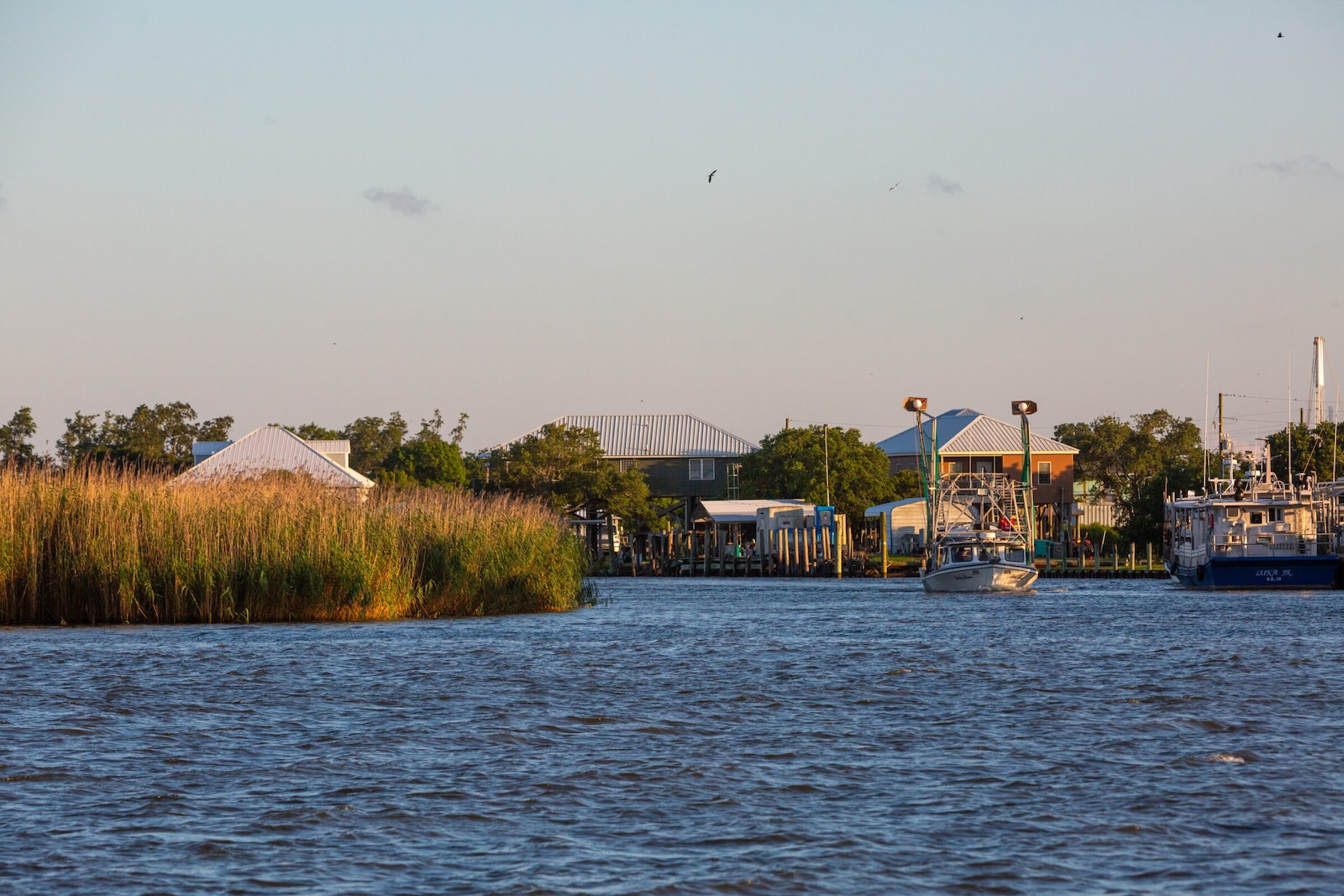
There’s an increasingly narrow strip of marshland in New Orleans that hardly anyone lives on, but without it, hundreds of thousands of people in Louisiana will face far greater risks from storms and floods. The area, commonly called the New Orleans Land Bridge, separates Lake Pontchartrain from the Gulf of Mexico and stretches from New Orleans East to St. Tammany Parish, a distance of roughly 20 miles. Like much of Louisiana’s coast, it’s disappearing at a rapid rate. The on-again, off-again effort to restore the land bridge could get a jump-start next year with a $101 million project aimed at reviving a large patch of marsh that protects the mouth of Lake Pontchartrain, a shallow estuary whose waters swelled with a storm surge during Hurricane Katrina in 2005, contributing to catastrophic flooding in New Orleans. “This land bridge is one of the most critical natural barriers protecting the city of New Orleans,” said April Newman, a project manager for the Louisiana Coastal Protection and Restoration Authority. “Without it, the New Orleans levee system would be much more vulnerable to overtopping or breaching.” Around 1.5 million people who live around Lake Pontchartrain and the adjacent Lake Maurepas, including residents in Baton Rouge and other cities near the two lakes, receive protection from the land bridge. Failing to restore it could mean the loss of the land bridge within 50 years, said Kristi Trail, executive director of the Pontchartrain Conservancy. “Maybe that’s not in my lifetime, but it’s definitely in my children’s lifetime,” she said. “That’s pretty wild to think about.” Houses and fishing boats near the New Orleans Land Bridge, on June 10, 2026. Christiana Botic / Verite News and Catchlight Local / Report for America The land bridge includes the Interstate 10 bridge between New Orleans and Slidell, several fishing camps, and the Bayou Sauvage Urban National Wildlife Refuge in New Orleans, the largest national wildlife refuge that’s completely within