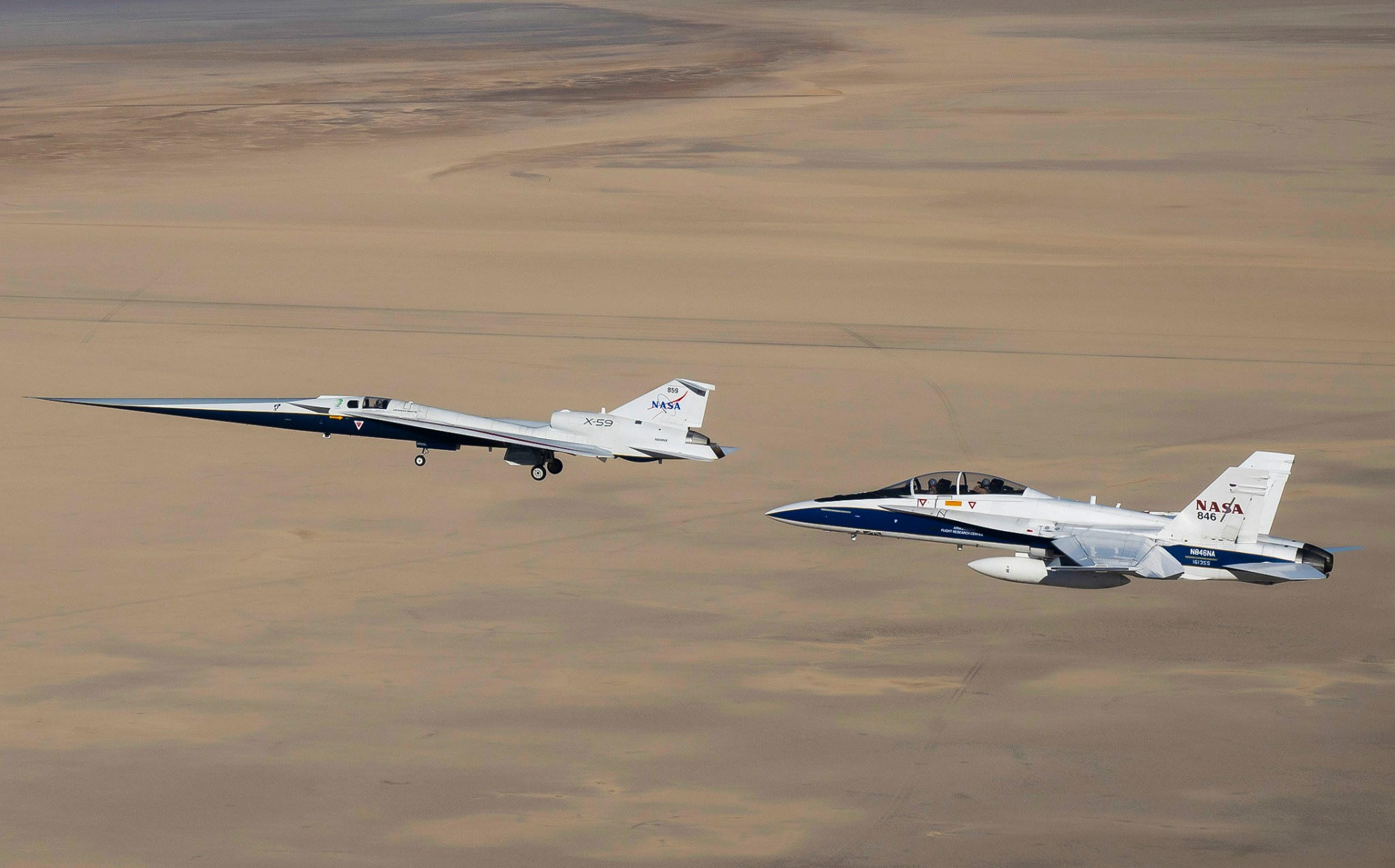
Meet the Fleet: NASA Armstrong Continues Legacy of Flight Research
Why this matters: new research or scientific developments with potential real-world impact.
NASA’s Armstrong Flight Research Center in Edwards, California, added multiple aircraft this year: two F-15s supersonic jets, a Pilatus PC-12 utility plane, and a T-34 turboprop trainer, which the center will use to support the agency’s advancement of aerospace research. Throughout the center’s history, pilots have flown everything from large aircraft like the 747 Shuttle Carrier Aircraft and rocket-powered airplanes like the X-15 to high-speed repurposed fighter jets like the F-18. And after almost 80 years, flight research is still going strong in the desert today. “Armstrong has a rich history of flight research, but it’s the multidimensional skills of the people we have here, and the knowledge they’ve built to handle very unique aircraft maintenance and modifications, that stands out,” said Darren Cole, capabilities manager for the Flight Demonstrations and Capabilities project at NASA Armstrong. Armstrong has a rich history of flight research, but it’s the multidimensional skills of the people we have here … that stands out. Darren Cole Capabilities Manager at NASA Armstrong The center plays a pivotal role in worldwide airborne science missions, flying scientists and equipment from NASA, other government agencies, industry, and academia to collect measurements such as air pollution levels, glacier melt trends, and wildland fire mapping. Scientists can manage experiments in real time aboard flying laboratories like the NASA ER-2, to collect importa