A simple — yet expensive — way to climate-proof the grid: Bury the power lines
Why this matters: environmental and climate reporting with long-term consequences.
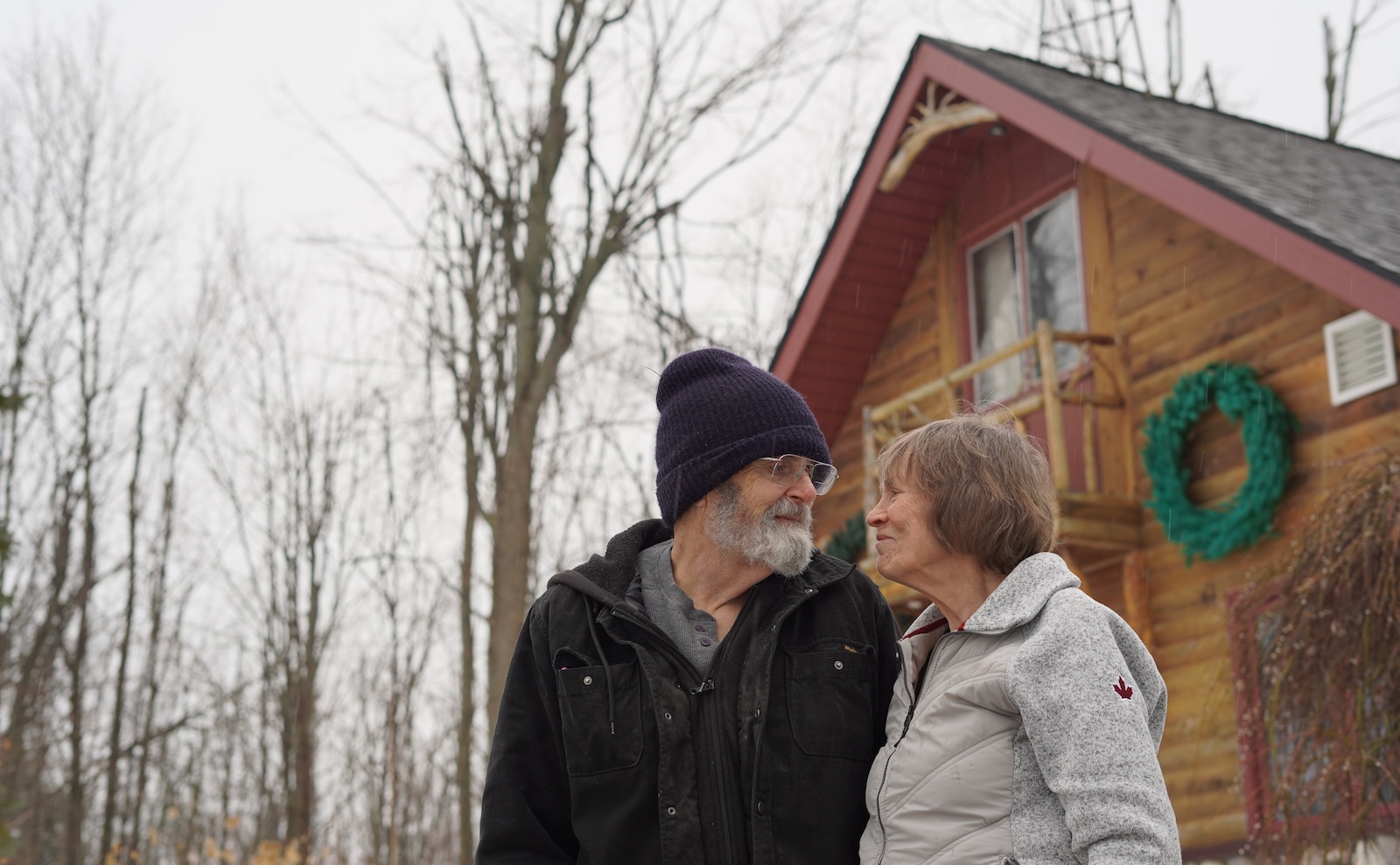
Power lines across the country weren’t designed for a changing climate, with much of the nation’s grid built more than half a century ago. Today, stronger storms and heavier precipitation cause hundreds of outages a year, many because of trees falling on above-ground power lines. In northern Michigan, some utilities want to change that. In March 2025, a devastating ice storm hit the region, knocking down trees and snapping utility poles. Thousands of people lost power for weeks. During the blackout, Lewiston, Michigan, resident Wanda Whiting suddenly had to get her husband, Dave, to the hospital. He was having heart trouble. The side of the highway was littered with downed wires and broken poles. The streets were so dark, she said, that she got lost on familiar roads. “I still can’t get over how astonished I was, how much we rely on street lights,” Whiting said. At one point, she had to drive over thick cables that had fallen across the road. Downed wires are dangerous; they can still be live even if the power is out. The couple made it to the hospital and Dave Whiting recovered. But the power in the area didn’t come back on for another two weeks. Wanda and Dave Whiting stand outside their home in Lewiston, Michigan. Vivian La / IPR News For Michiganders, the ice storm was a reminder of the power grid’s vulnerabilities during severe weather. The state already sees some of the longest power outages in the country. Climate change could make that worse. Research suggests northern Michigan will see more freezing rain instead of snow and possibly more destructive ice storms. Communities need to plan for a different future, said Richard B. Rood, a professor emeritus at the University of Michigan who studies climate change adaptation. “You can’t think of what we’re experiencing as, ‘This is how it used to be, and this is where it will be,'” Rood said. “You are right in the middle of the change here.