How World Cup ticket inflation reflects a bigger problem with pricing
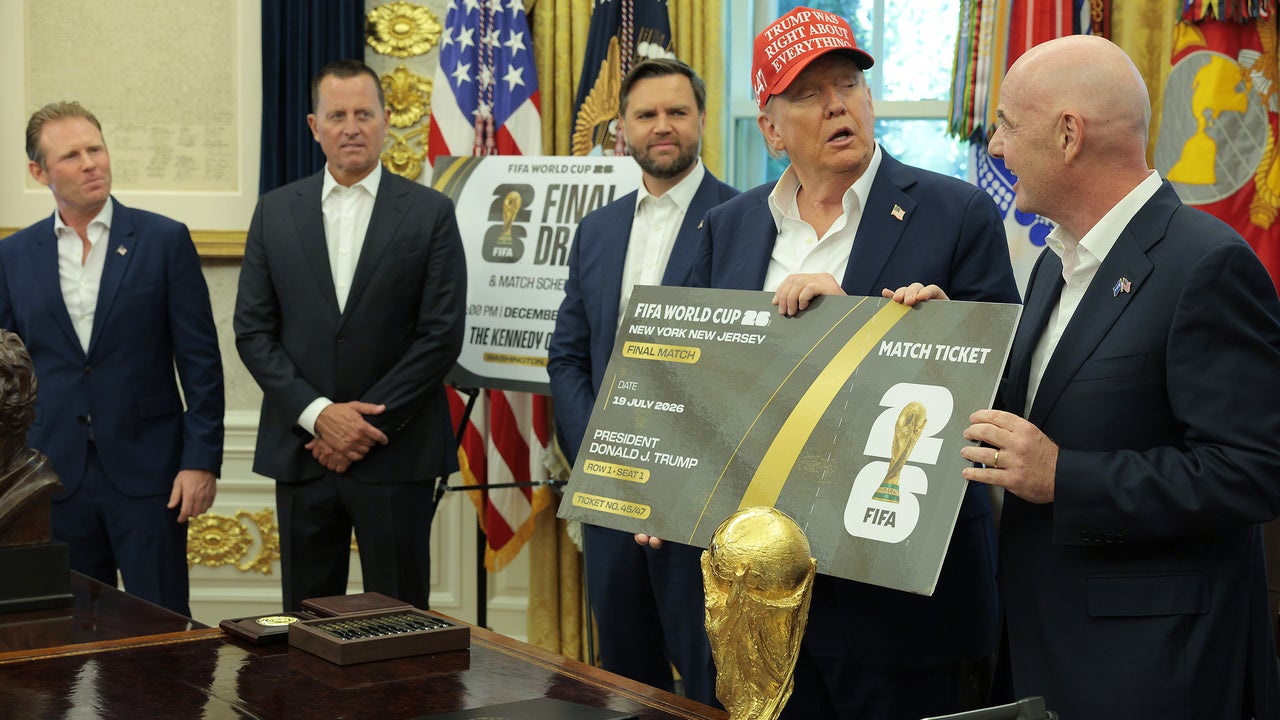
In 1994, the last time U.S. stadiums hosted the World Cup, an average ticket cost US$58. The most expensive ticket for the final could be grabbed for $475. Adjusted for inflation, that would be $131 and $1,069, respectively, in today’s prices. Fast-forward 22 years, and things have become a lot pricier. In the tournament due to begin on June 11, 2026, at the Azteca Stadium in Mexico, the average ticket prices have been in the region of $1,300. The cheaper tickets for the final are going for a whopping $10,000, and it is even more for the better seats. That represents an inflation-adjusted increase in average ticket prices of about 1,000% between the two times the U.S. has hosted or co-hosted the event. As a benchmark for comparison, over that period, median household incomes in the U.S., adjusted for inflation, have risen by only 32%. But is ticket pricing the real problem with the World Cup? As a soccer economist and co-host of the Soccernomics podcast, it is a question I have long thought about. And economic analysis can bring some clarity as to what brought about such eye-watering ticket prices, whether they are justifiable, and why many think them unfair. To start things off, let’s entertain a thought experiment. The three host nations of the World Cup—Canada, Mexico, and the United States—are home to around 200,000 ultra-high net worth individuals (those sitting on fortunes in excess of $30 million). If that elite group contained 82,500 soccer fans prepared to pay $300,000 for a ticket to fill out the MetLife Stadium in New Jersey for the final, it would represent a payday for FIFA of close to $25 billion. And that isn’t a fanciful price—tickets for the final have listed for far higher. Now if FIFA vowed that all that money would go to good causes—say, eradicating malaria or ensuring that underprivileged kids had access to state-of-the-art soccer equipment and programs—would anyone really gripe that it came at the cost of making tickets affordable for all? The