Country diary: This is as wild and remote as Britain gets – a trip to St Kilda | Nigel Brown
Why this matters: environmental and climate reporting with long-term consequences.
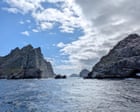
Outer Hebrides: It’s nearly 100 years since anyone lived on this hostile archipelago, though their ‘village’ remains – as does an astonishing wealth of wildlife Dawn on a deep-rolling ocean, and I am about to realise a dream. We’re 35 nautical miles west of the Outer Hebrides, on board the expedition cruise ship M/V Sea Spirit, approaching the archipelago of St Kilda – the most remote outpost of the British Isles, and the UK’s only dual Unesco world heritage site. Impregnable sheer cliffs spike the seascape, rising to 1,400 feet, and we’re in the company of Risso’s dolphins, flights of gannets and hurrying auks.We make landing at Hirta, the largest of the four islands at about 2.7 square miles. Above the great storm beach lies a deserted, unnamed “village”, a thin crescent of traditional Hebridean cottages. Nowadays, the only inhabitants are St Kilda wrens (Troglodytes troglodytes hirtensis) – larger and darker than the mainland populations – but each cottage also bears a simple plaque listing the last family to live there. Continue reading...