Q&A: What change of power in Colombia could mean for world’s fossil-fuel transition
Why this matters: environmental and climate reporting with long-term consequences.
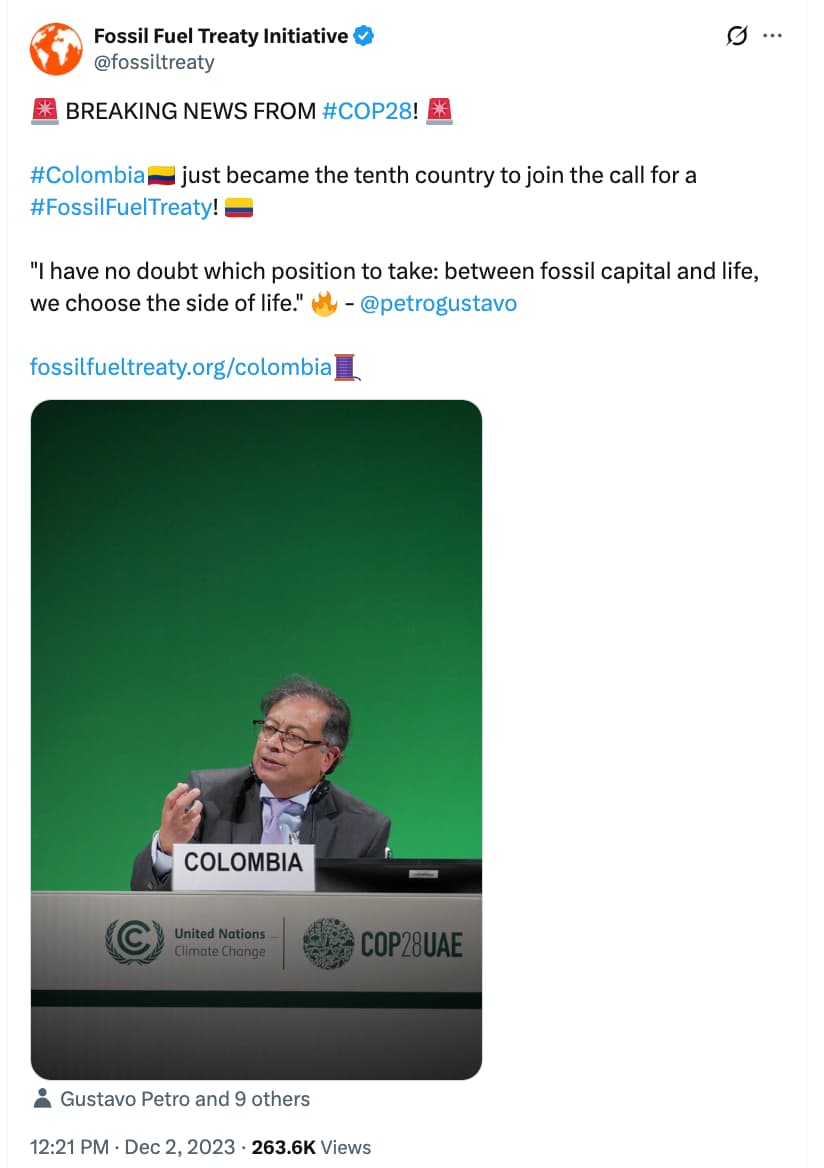
Over the last four years, Colombia has emerged as one of the most vocal advocates for the world to transition away from fossil fuels. Under the leadership of leftist politician and economist Gustavo Petro, it became the first major oil-and-gas producer to commit to halting all new fossil-fuel expansion. In April, the nation hosted a first-of-its-kind meeting of countries on transitioning away from fossil fuels, alongside the Netherlands, in the Caribbean city of Santa Marta. The meeting concluded with a promise for a new “Santa Marta process” spearheaded by Colombia and the Netherlands, a movement of countries that would continue to push for a transition away from fossil fuels at home – and at international climate talks. But on 21 June, an ally of Petro suffered defeat in a presidential election runoff against Abelardo de la Espriella, a hard-right populist and favourite of US president Donald Trump, who has pledged to boost oil production and pursue “fracking to the max”. Below, Carbon Brief examines what the loss could mean for Colombia’s stance on fossil fuels, as well as international efforts to transition away from coal, oil and gas, including at the COP31 climate summit in Turkey in November. How could the election defeat change Colombia’s stance on fossil fuels? How could it affect international efforts to transition away from fossil fuels? How could efforts to transition away from fossil fuels feature at COP31? How could the election defeat change Colombia’s stance on fossil fuels? In 2022, Petro became Colombia’s first left-wing president in recent history. Under his leadership, Colombia became the first major oil producer and exporter to halt all new fossil-fuel expansion, boosted renewable energy and saw a sustained decline in deforestation. At the COP28 summit in 2023, Petro announced that Colombia would become the first major oil exporter to sign the fossil-fuel non-proliferation treaty, a pact to legally control fossil-fuel production and use. .cb-twe