CleanSpark stock slides 9% as quarterly earnings miss estimates on bitcoin holdings loss
Key takeaways
- By Olivier Acuna|Edited by Jamie Crawley May 12, 2026, 12:35 p.m.
- The company reported a net loss of $378.3 million for the quarter ending on March 31, a steep increase from the $138.8 million loss reported the same period last year.
- The firm’s bottom-hit was mainly driven by a $224.1 million non-cash bitcoin fair value loss, reflecting market volatility.
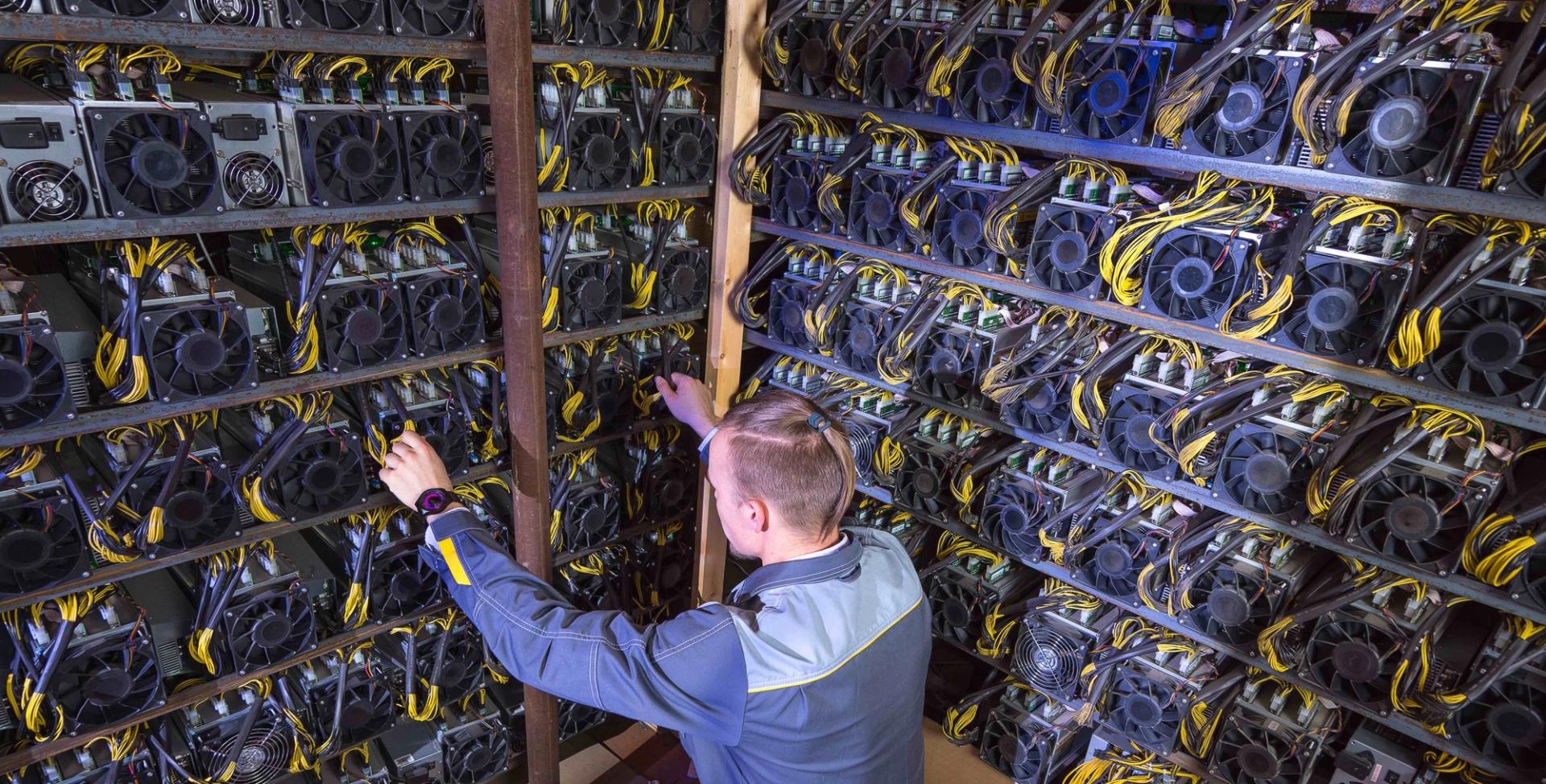
By Olivier Acuna|Edited by Jamie Crawley May 12, 2026, 12:35 p.m. 2 min read Make preferred on Bitcoin miners are operating at a loss, a fact that has compelled many of them to pivot toward leasing their computing power for AI data management. (Shutterstock)What to know: CleanSpark (CLSK) stock fell over 9.4% in pre-market trading on Tuesday after the U.S. bitcoin (BTC) mining company reported a widening net loss of $378.3 million for its second fiscal quarter.Quarterly revenue dropped 25 percent year-over-year to $136.4 million even as the company doubled its megawatts under contract and began shifting its infrastructure toward AI and high-performance computing uses.Despite industry-wide pressure from bitcoin mining costs that exceed the current bitcoin price, CleanSpark highlighted a stronger balance sheet, with bitcoin holdings up 14 percent to $925.2 million, total assets of $2.9 billion and long-term debt of $1.8 billion.CleanSpark (CLSK) stock fell over 9.4% in pre-market trading on Tuesday after the U.S. bitcoin BTC$80,621.04 mining company reported a widening net loss of $378.3 million for its second fiscal quarter, hit by a significant non-cash adjustment to its digital asset holdings.
The company reported a net loss of $378.3 million for the quarter ending on March 31, a steep increase from the $138.8 million loss reported the same period last year. The loss of $1.52 per share was more than triple the analyst estimate on EPS of a 41 cents' loss.
The firm’s bottom-hit was mainly driven by a $224.1 million non-cash bitcoin fair value loss, reflecting market volatility.