New urban province termed ‘an unavoidable necessity’
Why this matters: local context for readers following news across Pakistan and the region.
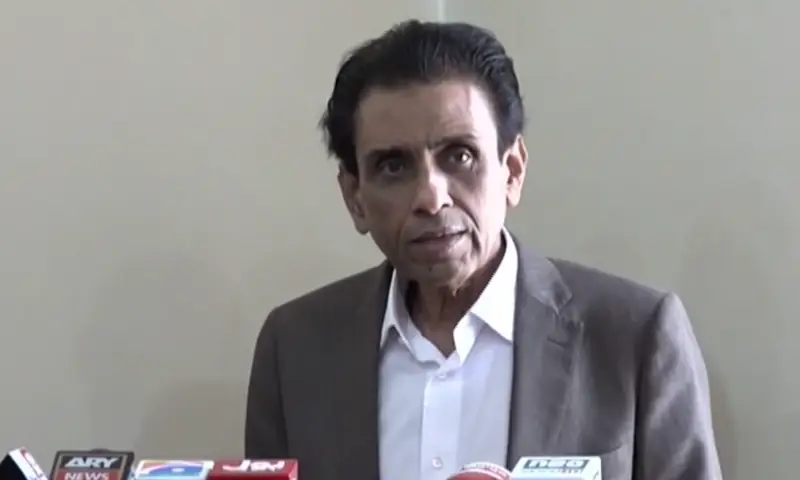
He said this while speaking to a programme titled ‘The Dialogue Karachi’, organised by his party here at a local hotel on Sunday. The event brought together politicians, intellectuals, journalists, urban development specialists and governance experts, who agreed that Karachi continues to suffer from chronic injustice, poor governance and a weak local government (LG) system, warning that the country’s economic hub cannot prosper without genuine devolution of powers and administrative reforms. The participants highlighted decades of neglect, flawed governance structures, inadequate representation and the failure to empower LGs in the metropolis. They agreed that Karachi’s future depends on empowering local governments, ensuring the effective implementation of Article 140-A of the Constitution and pursuing administrative reforms to address the city’s long-standing governance challenges. Addressing the gathering, MQM-P Chairman Dr Siddiqui, who is also the federal education minister, defended his party’s political legacy and claimed that much of Karachi’s development was achieved during periods when MQM held local government authority. He said allegations linking the party to major criminal incidents, including the killings of Hakim Saeed and Amjad Sabri and the Baldia factory fire tragedy, had not been proven in courts. “From the murders of Hakim Said and Amjad Sabri to the Baldia factory fire tragedy and weapons recovery cases, no allegation against MQM has ever been proven in a court of law”, he said. “The truth is that whatever development Karachi enjoys today