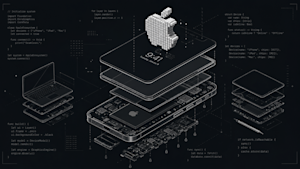
Apple’s new Siri AI is more than just a smarter assistant — it's a new enterprise app layer
Why this matters: a development in AI with implications for how people work, create, and decide.
Apple’s new Siri AI, unveiled yesterday at Apple's annual Worldwide Developers Conference (WWDC 2026), may look like a consumer product story on the surface. But for enterprise developers and IT leaders, the bigger news from WWDC26 is that Apple is turning Siri into a systemwide AI interface for apps, data and workplace actions across i Phone, i Pad, Mac, Apple Watch and Vision Pro, as revealed in the WWDC26 Apple Intelligence developer guide.In other words, if your company offers an application on Apple devices, whether it's served on iOS mobile device or Mac, the new Siri AI may force you to change how that application is discovered, served, and its contents and workflows made available to end users. Enterprise developers can expose app content through App Entities, make it available to Apple’s Spotlight semantic index, define actions through App Intents and App Schemas, and map onscreen user interface elements to app objects through View Annotations.That makes Siri AI much more than a voice assistant. Apple is positioning it as an AI-powered app action and content-discovery layer built into its operating systems.Siri becomes an app action layerFor enterprise developers, the shift could be significant. A business app that properly adopts Apple’s new frameworks could let users ask Siri to find, summarize, update or act on app content without the developer having to build a separate chatbot interface. Apple says App Intents, its existing framework for exposing app actions to system features like Siri and Shortcuts, is the path for connecting apps to Apple Intelligence and Siri AI, while schemas make app content and actions usable through natural language.In practical terms, that could apply to customer records in a CRM, open tickets in an IT service desk, project tasks, invoices, calendar events, documents, expenses, notes, messages or field-service records. Instead of opening an app, searching manually and clicking through menus, an employee could ask Siri