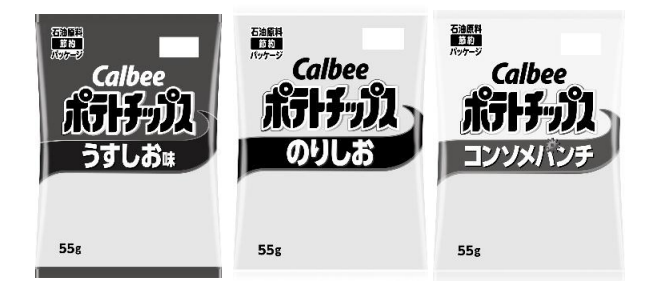
Japanese snack giant resorts to black-and-white bags of potato chips as Iran War literally sucks color out of the world
The biggest snack maker in Japan is making some of its packaging black and white as the Iran war disrupts the market for a key material used to produce printing inks. Calbee, which controls half of Japan’s snacks market but also does business in the U.S., said in a press release Tuesday that several of its potato chip products, as well as its Kappa Ebisen shrimp-flavored snacks and its Frugra fruit and granola mix, will switch to monochromatic packaging because of “supply instability affecting certain raw materials amid ongoing tensions in the Middle East.” The company said while the products themselves will be unaffected, the measure will be applied to select packaging on May 25 to “help maintain a stable supply of products.” The company’s announcement comes as the Iran war continues to disrupt supply chains worldwide, especially for petroleum-based products, thanks to the closure of the Strait of Hormuz, through which about 20% of the world’s oil passed before the war. Despite a fragile ceasefire put in place by the U.S. and Iran last month, tension between the two sides have flared up in recent days. On Monday, President Trump declared Iran’s latest counterproposal “garbage” and said the ceasefire was “on life support.” Calbee’s packaging predicament is partly due to a tightening in the supply of naphtha, a liquid hydrocarbon mixture derived from petroleum that is used in plastic production and as a printing ink solvent. Japan imports more than 60% of the Naphtha it needs, and 70% of that supply comes from the Middle East, according to the Japan Petrochemical Industry Association. Japan’s deputy chief cabinet secretary Kei Sato told the Financial Times that the country’s Naphtha needs were being met and that the government has “not received any reports of immediate supply problems at this time.” Yet, Japanese companies have become so desperate for naphtha, they pushed U.S. exports of the raw material to an all-time-high of 15 million barrels in a single month in