2026-27: Budget: Moving towards competitiveness
Why this matters: local context for readers following news across Pakistan and the region.
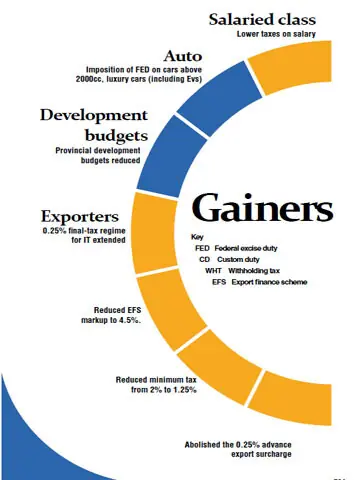
It focuses on some of Pakistan’s most pressing structural challenges: broadening the tax base, continuing import tariff reforms, sustaining incentives for the information technology sector, and reviving the long-dormant construction industry. The most politically sensitive measure is the relief provided to salaried taxpayers. Income tax rates have been reduced, while the income threshold for the highest tax bracket of 35 per cent has been raised from Rs4.1 million to Rs7m. The super tax has been abolished for individuals earning up to Rs500m and reduced by 20pc for higher-income taxpayers. The income tax surcharge has been eliminated altogether. The tax collected on export proceeds has been reduced from 2pc to 1.25pc, while the capital value tax on foreign assets held by resident Pakistanis has also been abolished. The budget also introduces measures to bring previously under-taxed segments into the formal tax net. Digital content creators and social media influencers will now be subject to withholding tax deductions through the banking system. The withholding tax regime on services has been revised, with separate treatment for independent professionals. The most consequential reform is the transformation of the tax administration to a technology-driven, data-led model At the same time, the reduced minimum tax rate applicable to distributors, dealers and wholesalers in certain sectors has been increased from 0.25pc to 0.5pc, although documentation and compliance incentives remain available. Yet the most consequential reform in this budget is neither a tax increase nor a tax cut. It is the transformation of Pakistan’s tax administration from a discretionary, contact-based system to a technology-driven, data-led model. The government is seeking to minimise direct interaction between taxpayers and tax officials and replace manual processes with automated compliance mechanisms. A National Faceless Centre