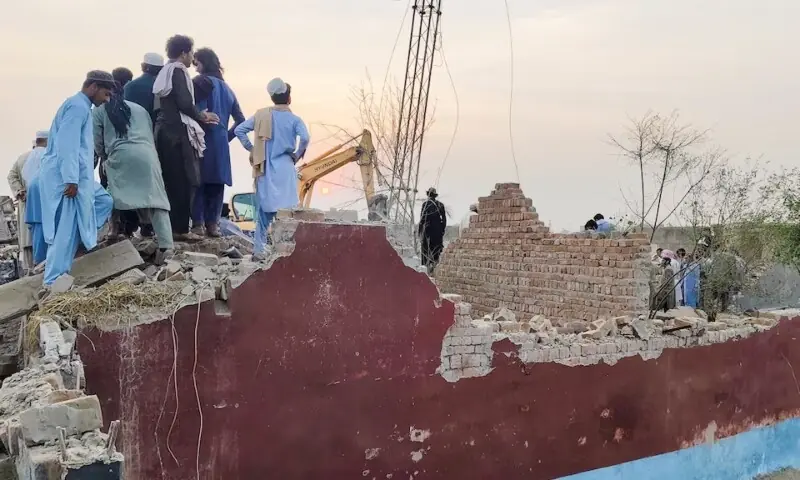
Bannu attack
Why this matters: local context for readers following news across Pakistan and the region.
THE attack was audacious and well-coordinated. On the night of May 9, terrorists struck a police outpost in KP’s Bannu district, martyring 15 officers and injuring three, according to official reports. An explosive-laden truck rammed into the post, followed by what seems to have been a coordinated assault from multiple directions involving heavy weaponry and drones. This suggests sophistication in terrorist tactics, and it seems the sole purpose of the attack was to cause maximum casualties. It is yet another grim reminder of how fraught the security situation remains in the province, where terrorists have repeatedly attempted to challenge the state’s writ. The human cost, borne once again by police families, cannot be measured. Unfortunately, without a successful counterterrorism plan, chances of similar attacks by terrorists remain very high. The state must ensure that the perpetrators are brought swiftly to justice. The civilian leadership was quick to condemn the attack, express sorrow and vow to eliminate terrorism. The president attributed the attack to Indian sponsorship and Afghan Taliban sanctuary — accusations that have now become routine in official statements following such incidents. He made it clear that Pakistan would “target not only the terrorists, but also their facilitators and sponsors”. Such pronouncements, too, have become familiar. While the assertions themselves are certainly not unfounded, what is missing is decisive action on the ground against the terrorists who frequently operate in groups. And such action is not possible without deploying a robust intelligence-gathering strategy and coordinated planning involving all branches of security. Furthermore, a sociopolitical diagnosis of what is going wrong in the western provinces needs to be shared with the Pakistani public to foster a wider understanding of the roots of this malaise. The state needs to devise a comprehensive response strategy to the emergent threats from terrorists, and this