McKinsey studied 200 family business successions. The biggest problem wasn’t the heir — it was the outgoing CEO
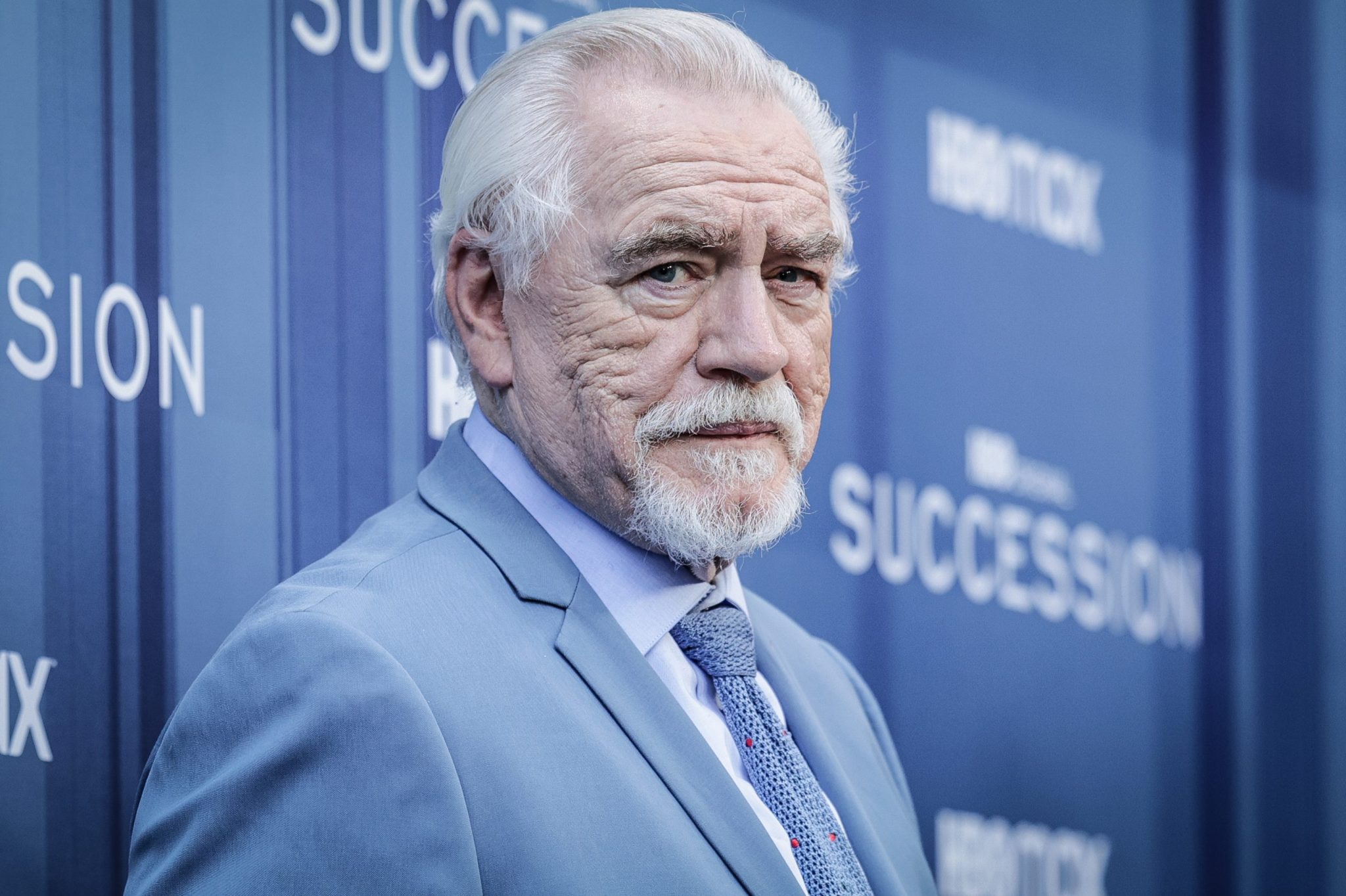
When the CEO of a family-owned business hangs up the hat, bad things are likely to happen. According to recent Mc Kinsey research analyzing more than 200 family-owned businesses across 50 countries and 10 sectors, these companies underperform on revenues, shareholder returns, and earnings for five years after a leadership transition, compared with the five years before. On average, returns fall 5.7 points. Revenue growth and earnings margins decline too. So what makes succession in family-owned businesses so difficult to get right? The usual suspect is the heir — the sniping siblings on HBO’s Succession embody the popular fascination with families in business. But the data does not support the stereotype of the underperforming heir. McKinsey’s research shows family-owned businesses decline after a CEO transition regardless of whether the successor is a family member or an outside executive. Indeed, only about one-third of all transitions created any value at all. If the problem were simply a matter of heir quality, we would expect non-family professional transitions to fare better. They do not. Signs point instead to a different likely culprit: the outgoing CEO. It is hard for any incumbent to pass the reins. It may be even more difficult for the head of a family-owned business, whose personal and professional lives are perhaps even more deeply entwined than usual. This can play out in two ways. Some CEOs leave too precipitously, handing successors a title and an inherited to-do list — unresolved conflicts, legacy systems that have constrained performance for years, reporting structures built around the CEO’s own authority. Others never fully leave at all, continuing to operate behind the scenes in ways that undercut their successor’s authority and create confusion throughout the organization. Either way, successors frequently spend their early years managing what they inherited rather than executing a vision. How can outgoing CEOs do better?