The Google Fitbit Air is an AI-infused take on Whoop wearables
Key takeaways
- Google The Whoop-like wearable that Google teased in March has just been unveiled.
- Google also said its latest device was "rated more comfortable than leading competitors" in an independent consumer perception study conducted last year, looking at the most popular wearables in the US.
- Since it doesn't have any buttons or a screen, the Fitbit Air is mostly a passive wearable that just sits on your person and collects information.
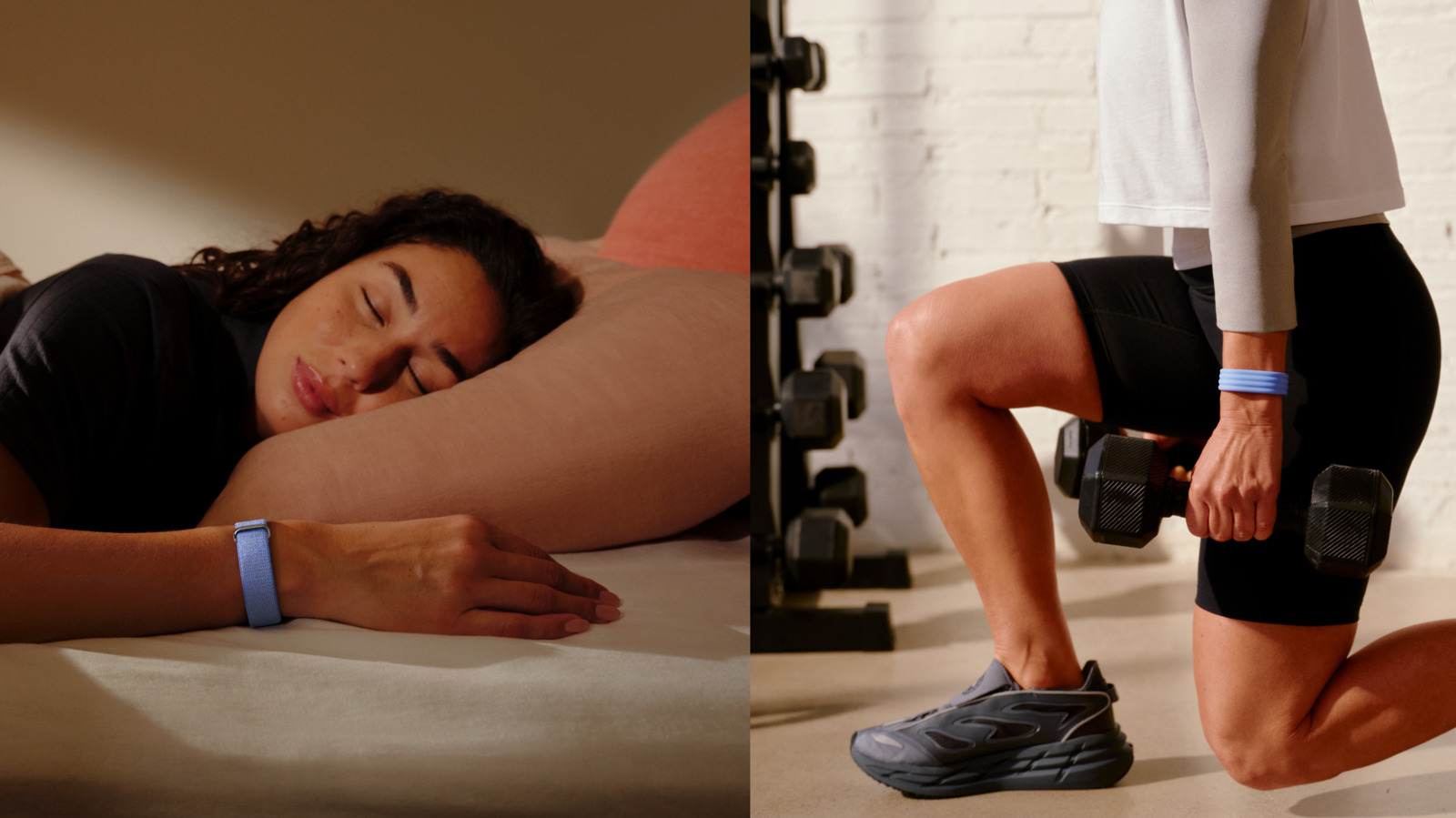
Google The Whoop-like wearable that Google teased in March has just been unveiled. Called the Google Fitbit Air, it's a screenless device that you can put in a wristband, chest strap or technically anywhere, really, depending on the accessory you choose. It's available for pre-order today for $100 and is basically a Fitbit, freed from its band. But of course, with a name like Air, the new gadget is a lot smaller than its predecessors. According to the general manager for Google Health Rishi Chandra, the Fitbit Air is 25 percent smaller than the Fitbit Luxe and 50 percent smaller than the Inspire 3.
Google also said its latest device was "rated more comfortable than leading competitors" in an independent consumer perception study conducted last year, looking at the most popular wearables in the US. The company described the Fitbit Air as having a "secure, micro-adjustable fit" that is supposed to make it so comfortable you won't notice it at work, at the gym or in bed. At just 12 grams (0.42 ounces) with a band and 5.2 grams (0.18 ounces) without, it's certainly very light.
Since it doesn't have any buttons or a screen, the Fitbit Air is mostly a passive wearable that just sits on your person and collects information. It will monitor your heart rate all day, and with that data it can use the company's long-established algorithms to log your sleep, deliver details on your time spent in specific sleep stages and assign you a Sleep Score each night. The Air can also detect "signs of AFib with irregular heart rhythm notifications" and help you "understand your heart rate variability (HRV) and its impact on your overall wellbeing."