The Fourth of July That Saved My Family
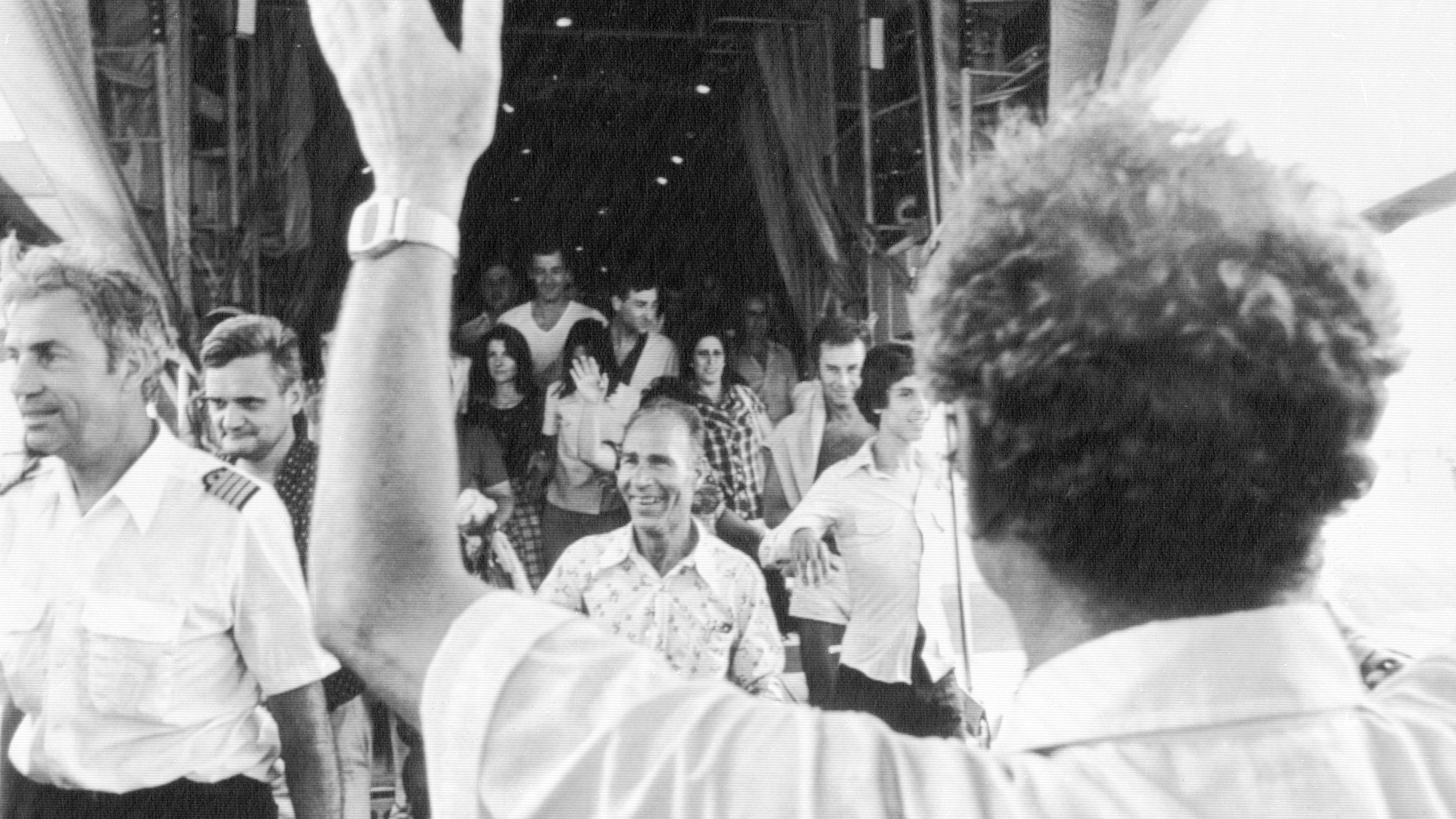
On July 4, 1976, as America celebrated its bicentennial, four C-130 aircraft flew blind over the dark waters of the Red Sea and across the Horn of Africa. The pilots took their planes beneath the sweep of commercial radar, their crews relying on basic radio, manual navigation, and raw nerve. The planes were carrying Israeli commandos to a disused airport-terminal building in Uganda, on the shores of Lake Victoria.Inside that terminal were 106 hostages. Two of them were my American parents.For nearly a week, Palestinian and German terrorists had held the passengers from a hijacked Air France flight hostage inside the airport terminal, threatening to kill them unless imprisoned terrorists held in five countries were released.I was six months old, blessedly oblivious to the hijacking, staying with my grandmother in New York and waiting for my parents to come home from their first international trip.As the planes touched down, the commandos launched their rescue mission. One hundred and two of the hostages were rescued; three were killed in the process; and one, a 74-year-old woman who had been taken to a nearby hospital several days earlier, was murdered after the rescue byorder of the Ugandan dictator Idi Amin, who supported the hijacking. Growing up as the child of Entebbe hostages, I knew my life was a gift bestowed by the courage of strangers. Had those planes not taken off or had the mission failed, my family’s story would have been very different. I grew up with parents to raise me. I never take that for granted.[Anne Applebaum: Trump and Vance ruined the Fourth of July]My parents’ rescue on America’s Independence Day was especially meaningful because my family is proof that the promise of American freedom is real. Seven of my eight great-grandparents were murdered in the German death camps of Europe. The grandmother who watched me when my parents were held hostage had survived Auschwitz. After World War II, my father and his parents had been trapped in Hungary a